

ZFM™
ZFM™ (Zero Friction Molecular Technology) uses a molybdenum polysulfide alkyl dithiourea complex (MoDTC) whose radicals improve adhesion to metal surfaces, helping to reduce friction and wear.
Open official source↗FAST NAVIGATION
No matching section was found. Try a broader product or category term.
Searches this website and routes you to official manufacturer catalogues where current application data is required.
TECHNOLOGY IDENTITIES
Official TOTACHI technology marks identify selected lubricant and component platforms across the manufacturer’s portfolio.
 Technologies
CORE TECHNOLOGIES
Official TOTACHI technology marks identify selected lubricant and component platforms across the manufacturer’s portfolio.
ZFM™ (Zero Friction Molecular Technology) uses a molybdenum polysulfide alkyl dithiourea complex (MoDTC) whose radicals improve adhesion to metal surfaces, helping to reduce friction and wear.
Open official source↗
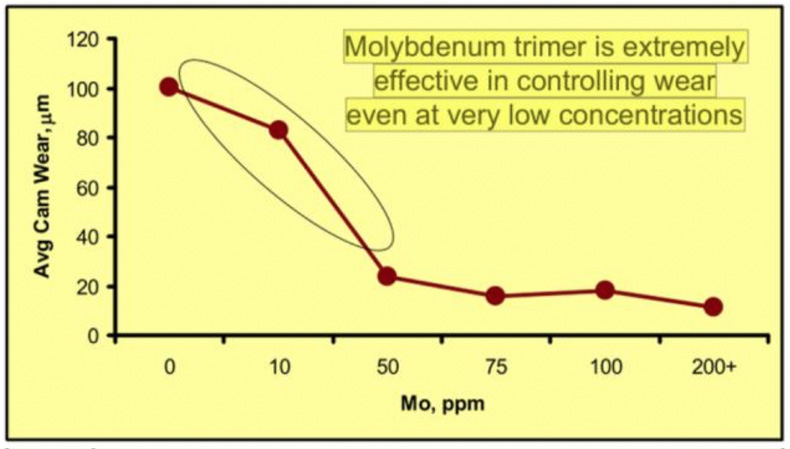
ZFM+™ uses a modern trinuclear-molybdenum MoDTC friction modifier. Effective at only 50–100 ppm, it forms a strong oil film under high temperature and high shear.
Open official source↗
ECO combines low-viscosity base oils, a modern low-ash additive package and anti-friction protection to support fuel economy, lower exhaust toxicity and compatibility with emissions systems.
Open official source↗TOTACHI
Explore the materials and operating principles behind TOTACHI lubricants, filters and batteries.

ZFM uses molybdenum-based friction modifiers. Their interaction with metal surfaces helps reduce friction and wear under demanding operating conditions.
Open official source
ZFM+ uses trinuclear molybdenum. A polar molecular head adheres to metal, while an oil-compatible chain supports film stability at high temperatures and shear rates.
Open official source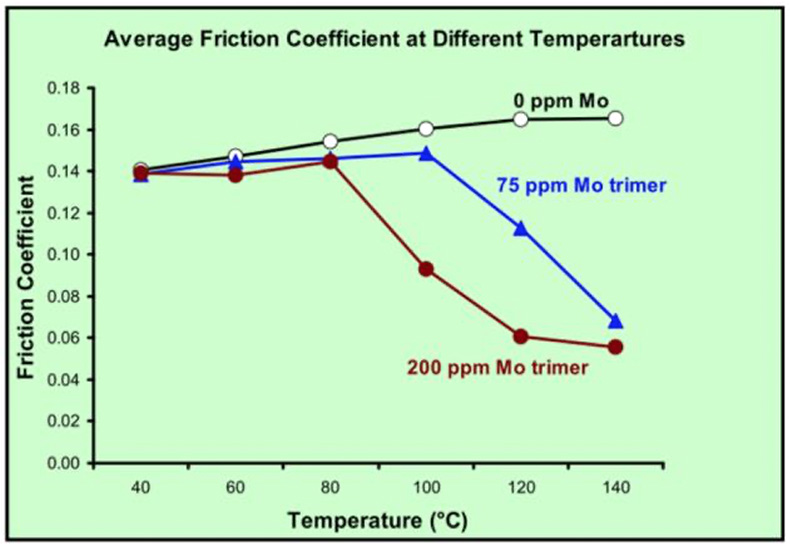
ECO combines low-viscosity base oils with low-ash additive systems to support fuel economy and compatibility with exhaust aftertreatment. The applicable viscosity and performance level remain product-specific.
Open official source
Synthetic fibres and impregnation help control the filter medium’s pore structure. Filtration fineness, dirt-holding capacity and flow resistance are key design parameters. Select the filter for the specific application.
Open official source
Calcium-alloy lead grids are used for both electrodes. Continuous casting and expanded-metal processing form the grid structure; calcium technology supports low water loss and low self-discharge.
Open official source
Stamping produces a defined battery-grid geometry. The grid’s surface and structure support active-material adhesion, mechanical strength and electrical conductivity.
Open official source
Absorbent glass mats hold the electrolyte between compressed plates. This construction supports low internal resistance and vibration resistance. Battery selection must also match the vehicle’s charging system and installation requirements.
Open official sourceSelect each product by its own specifications and the requirements of the vehicle or equipment. A technology name alone does not establish suitability.